
IAP Sessions.
Vai Brasa: When a Good Idea Meets the Wrong Narrative
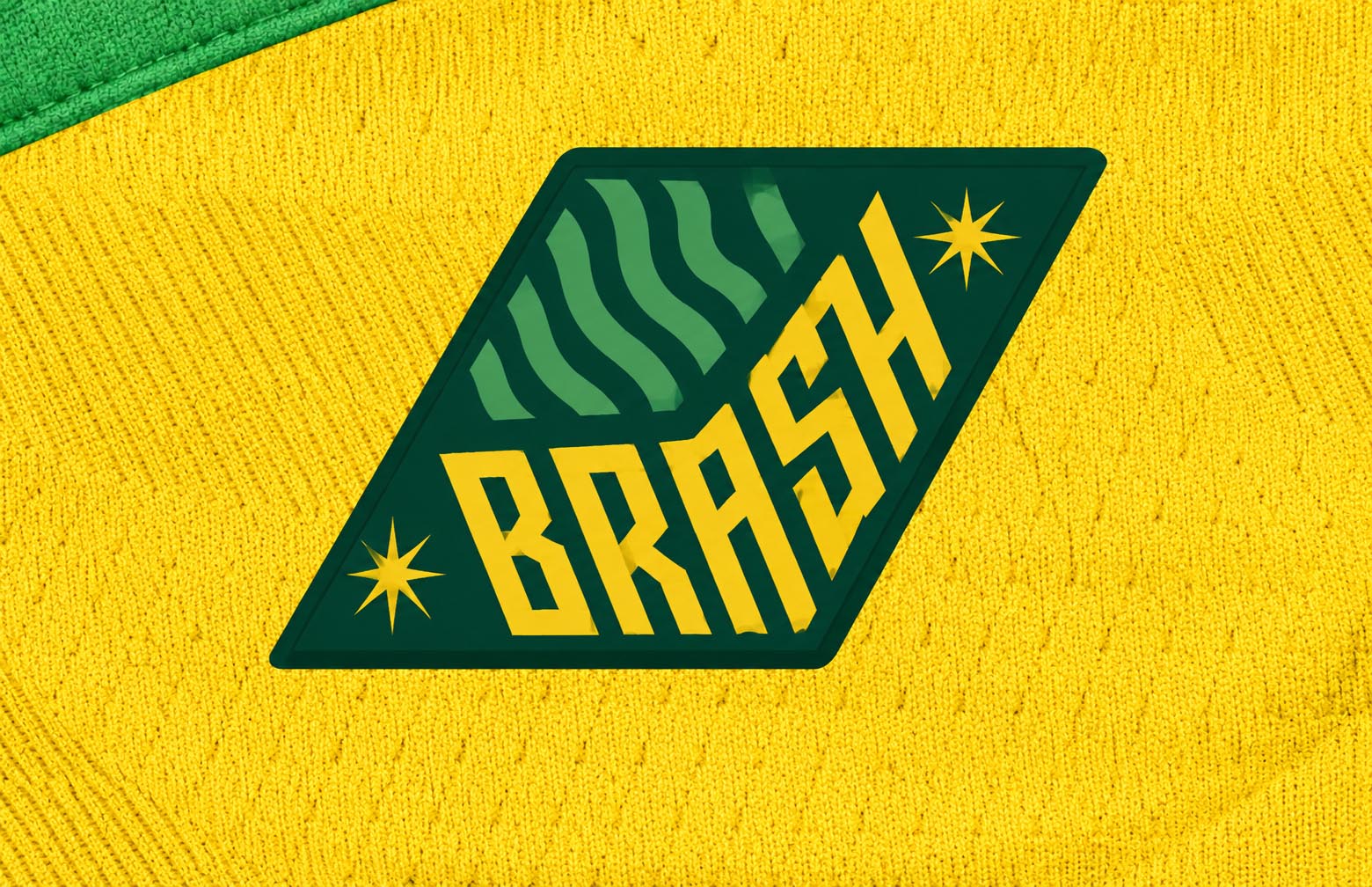
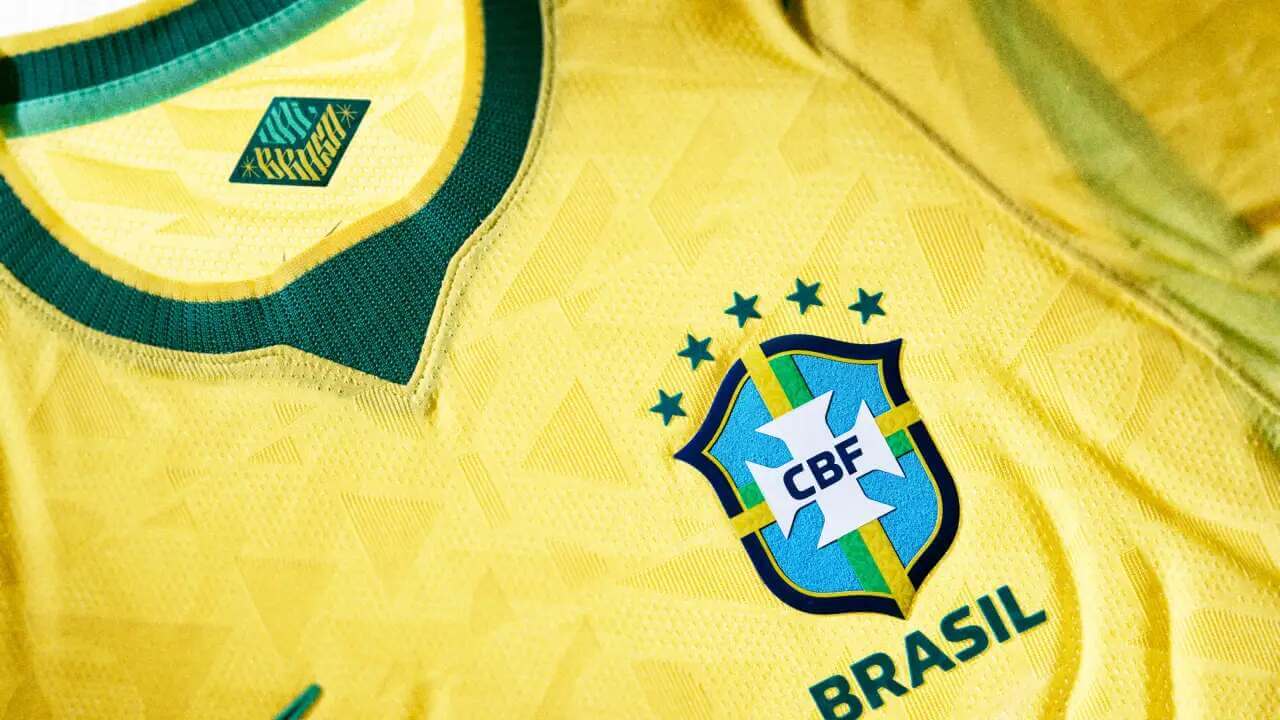
Recently, Nike unveiled the new Brazilian National Team kits for the 2026 World Cup. As part of the project, the brand introduced a concept…
IAP Sessions.
The intention was clear: to create a language that felt closer to the fans, reinforce a contemporary Brazilian identity, and bring the National Team even closer to its audience.
But the conversation quickly stopped being about the campaign.
It became about the origin of the expression.
During the project’s presentation, it was explained that “Brasa” was a traditional way fans referred to Brazil and the National Team. The public reaction was immediate. A large portion of supporters simply did not recognize themselves in that description. The perception was that something was being presented as a tradition even though it was not part of the collective memory of Brazilian football.
And when that happens, the conversation changes completely.
People stop discussing the idea and start discussing the legitimacy of the idea.
That’s unfortunate.
Because, honestly, Vai Brasa had potential.
The mistake may not have been creating a new expression.
The mistake may have been the exact opposite: not acknowledging that it was new.
Brands have permission to create symbols, slogans, and expressions. In fact, they do it all the time. Some of the most famous lines in advertising history were not born from popular culture. They were born inside agencies, studios, and marketing departments.
What usually happens, however, is that these campaigns do not try to convince people that those things have always existed.
They invite people to participate in building them.
There is an important difference between saying:
“This is already part of our culture.”
and saying:
“Let’s build this together.”
In the first case, the brand tries to lean on a heritage that should already exist.
In the second, it invites people to create something new.
And perhaps that was precisely Vai Brasa’s greatest opportunity.
Imagine, for a moment, a different approach.
Instead of presenting Vai Brasa as a traditional expression from Brazilian football terraces, the campaign could have embraced exactly what it was: a proposal.
An invitation.
A new way to support the team.
The message could have been simple: football changes, generations change, and the way people support their teams changes too. The Brazilian National Team is entering a new World Cup with new players, a new generation of supporters, and a new chapter in its history. And every generation has the right to create its own symbols.
In that context, Vai Brasa would stop being an attempt to recover a tradition and become an attempt to create one.
The slogan could have appeared on jerseys, promotional materials, campaign videos, and even in the stands. Players could have incorporated it into their celebrations. Fans could have been invited to use it across social media. The expression could have functioned as a rallying cry, a way to push the team forward throughout the tournament.
More importantly, the public would have had the freedom to decide whether it deserved to become part of Brazilian football culture.
Because traditions are not decreed.
They are adopted.
No brand has the power to determine what becomes part of popular culture. The most it can do is release an idea into the world and allow people to decide whether they want to carry it forward.
Perhaps Vai Brasa would have become a success.
Perhaps it would have disappeared after the World Cup.
Perhaps it would have become nothing more than a curious footnote from a specific campaign.
But that decision would belong to the public.
And that makes all the difference.
There is another interesting aspect to this story.
For decades, advertising operated in an environment where very few people had access to information. Brands spoke. The public listened.
That is no longer how it works.
Today, any claim can be questioned, investigated, and challenged within minutes. Information is distributed. People verify. Debate. Push back.
This means authenticity is no longer just a desirable virtue.
It has become a strategic asset.
When a brand tries to appear to be something it is not, the reaction is usually swift.
When a brand clearly embraces what it truly is, people tend to be far more receptive.
Truth has a valuable characteristic: it does not require constant effort to sustain.
It sustains itself.
That is why perhaps the greatest lesson of Vai Brasa is not the slogan itself.
The idea was good.
Perhaps even too good to be presented in the way it was.
What this story shows us is that authenticity does not limit creativity. On the contrary. It is precisely what gives creativity the credibility it needs to work.
Brands do not need to invent pasts.
They do not need to claim traditions that people do not recognize.
They can simply create something new and invite the public to participate in building it.
When that happens, a campaign stops being an attempt to persuade.
It becomes an opportunity for belonging.
At IAP, we believe that every brand-building process begins with this principle. Before thinking about slogans, campaigns, or visual identities, we seek to understand what is already genuinely true about each business. Because strong brands are not built on characters. They are built on essence.
And the more authentic that essence is, the greater the chance it will find a place in people’s minds.
IAP Sessions.
Recently, Nike unveiled the new Brazilian National Team kits for the 2026 World Cup. As part of the project, the brand introduced a concept…

IAP Sessions.
In today’s market, the biggest trend I see is that people are becoming less willing to build something and far more committed to pushing…
IAP Sessions.
Many brands rely heavily on references. They look at what is currently considered successful, extract visual patterns, and attempt to replicate them. This approach…